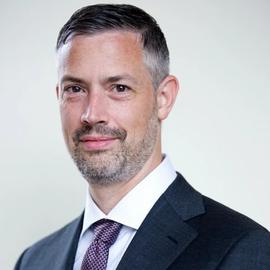
Dr. Caleb Bashor
Rice University
Rice University
The Bashor lab uses synthetic biology approaches to reprogram the behavior of human cells. We engineer synthetic regulatory circuitry, including gene regulation and signal transduction networks, to enable cells to sense, compute, and respond to their environment, reshaping cellular phenotype to support the development of transformative cell-based therapies.
Our engineering approach integrates theory and computational modeling with high-throughput experimental platforms that enable building and testing of synthetic regulatory programs at scale. We use machine learning and artificial intelligence models to map regulatory circuit design-to-function relationships, enabling faster and more predictive genetic design.
We apply these capabilities to discover new mechanistic principles for establishing synthetic control of diverse cellular processes, such as decision-making, and cell-state control, migration/localization, and secretion. Working across multiple human cell types, including immune effector cells (e.g., T cells and macrophages) and stem cells (iPSCs and MSCs) we focus on converting these principles into broadly deployable biotechnology tools for engineering human cells to function reliably in complex environments.
Our ultimate goal is to translate these technologies into safer, more effective therapies for indications spanning inflammatory disorders, trauma, and cancer. Efforts include sense-and-response programs that sharpen adoptive cell therapy specificity and multi-gene regulatory systems that boost therapeutic bioproduction or direct cell differentiation. We collaborate closely with translational and clinical researchers to ensure our designs meet real-world constraints and move efficiently toward therapeutic impact.